


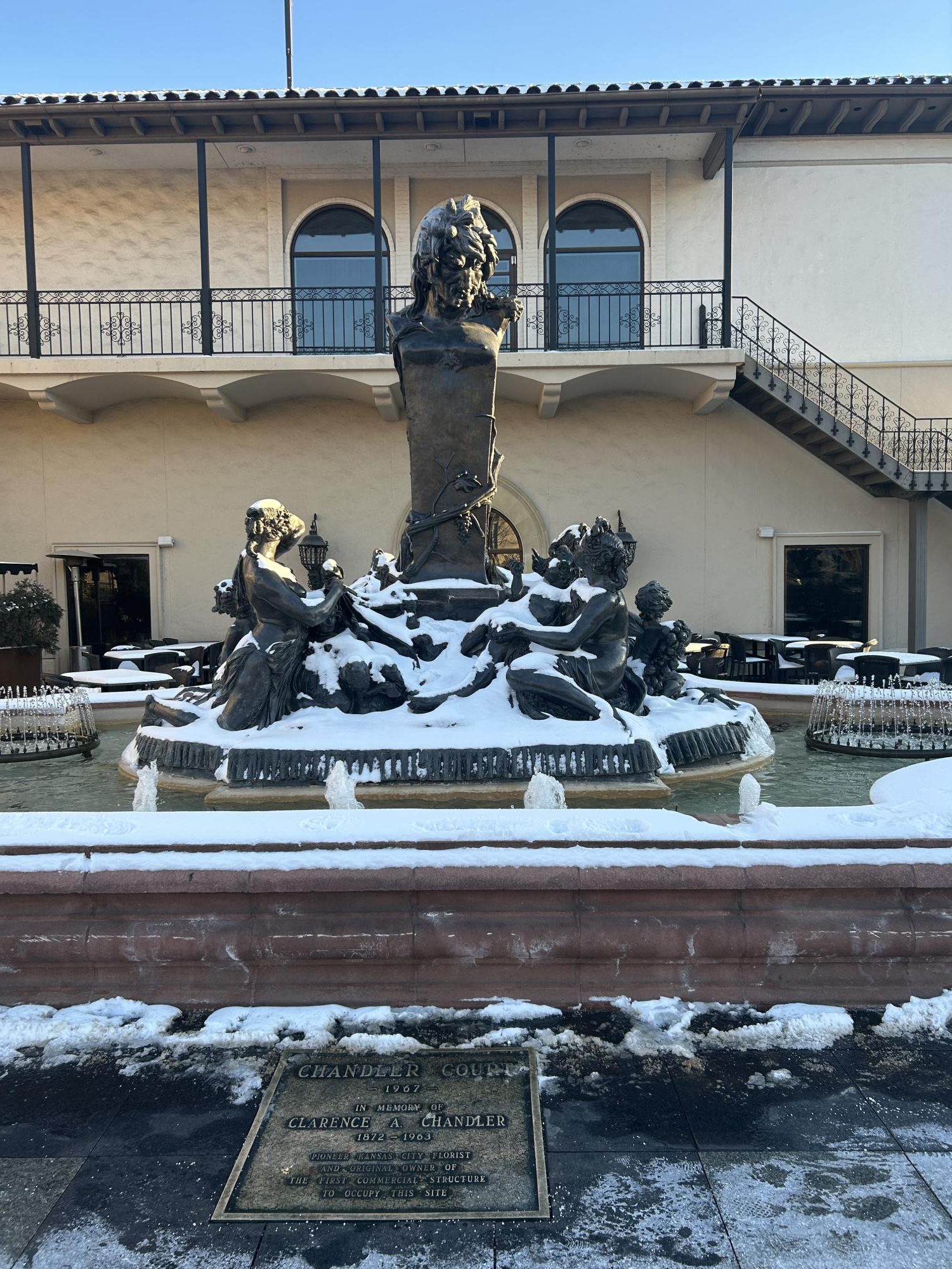
Winter can be beautiful, but it also brings challenges for cities and the people who live in them. Snow, ice, and freezing temperatures can make transportation difficult and create safety hazards. Over time, architects, engineers and city planners have developed creative ways to adapt buildings and urban areas to harsh winter conditions.
Winter architecture is based around insulation and heating. Buildings in colder climates are constructed with thicker walls and higher quality insulation, even the windows are thicker to retain heat. Roofs are designed to support heavy loads of snow, preventing collapse during extreme storms.
Modern buildings also use energy efficient eating systems like radiant floors to keep interiors warm while reducing the cost of energy. These strategies allow people to stay comfortable and warm indoors, even when temperatures outside can be freezing.
City layouts also adapt to winter in unique ways. Streets in snowy regions are often designed with drainage systems that prevent ice buildup. Sidewalks and public spaces may include heated pathways or embedded cables to melt ice, reducing possible slips and falls. Public transit systems are also adjusted for winter weather, with buses and trains made to handle snowy tracks and icy roads.
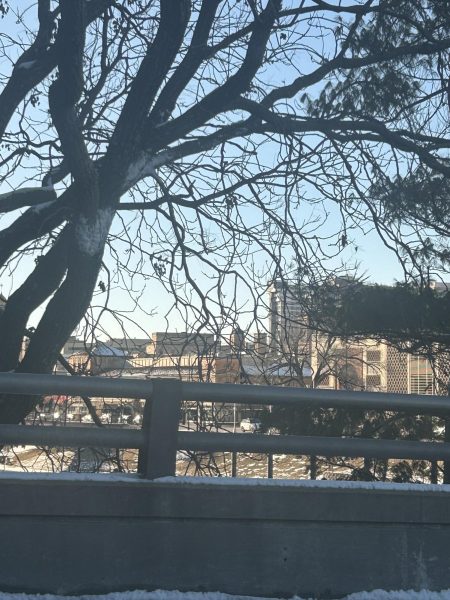
Urban design takes winter conditions into account as well. Cities in colder climates will prioritize covered sidewalks and indoor public spaces so people can move around without exposure to the elements. Parks and public areas include sheltered seating to make outdoor spaces usable even in cold weather. Street lights are also crucial during the winter months. Shorter daylight hours can make areas feel dark and unsafe, well lit streets help maintain safety and encourage people to leave the house.
The way architecture and cities adapt to winter shows how humans can thrive even in challenging environments. These innovations make cold months more manageable, safer, and even enjoyable.
Besides physical design, materials significantly influence winter architecture. Darker surface textiles are frequently used to capture heat from sunlight, where non-slip textures aid in minimizing accidents that may occur from ice and snow. Building entrances often feature vestibules or double doors that serve as barriers to stop cold air from intruding. This minor design aspect significantly enhances indoor comfort and energy efficiency.
Advancements in technology have enhanced urban responses to winter conditions. Intelligent sensors can sense icy situations and automatically turn on heating systems in walkways or notify maintenance teams about spots that may be problematic. Snow management is integrated into urban infrastructure, featuring specific snow disposal areas and effective plowing pathways to ensure roads and walkways remain easy to use. These systems enable cities to keep operating even in the midst of harsh winter storms.
Architecture suited for winter is more than mere survival, enhancing quality of life as well. Considerate design promotes social engagement and supports community ties in the colder seasons. Indoor community centers, sheltered pathways,and winter gardens offer areas for people to meet and socialize comfortably. By modifying structures and urban areas for winter climates, cities assure that cold weather does not interrupt everyday activities. Rather, winter turns into yet another season that communities are ready to meet with safety, successfulness, and power.