
































































Music has always been a big part of teenage life, but recently it has become more than just entertainment. With streaming services like Spotify and Apple Music, playlists have turned into personal soundtracks for everything we do.
Many teens say they use music as a way to handle stress, improve their mood, or even help focus during homework.
The idea that music can act as therapy is not new, but the popularity of custom playlists has made it easier than ever to use music intentionally to influence your emotions.
Listening to music can release dopamine, a chemical in the brain that is linked to feelings of pleasure and reward. This explains why people often feel happier or more energized after playing their favorite songs.
For teens, dealing with the pressures of school and personal challenges is a very normal occurrence. Choosing a playlist to match your mood can easily feel like a form of self-care. Calming acoustic songs can feel as if they reduce anxiety, while upbeat pop tracks can boost energy. Music has the ability to match emotions, but also change them.
Customized playlists also give teens control over their mental space. Life in high school can feel overwhelming, but being able to press play on a list of songs designed to set a mood is empowering.
Having a personalized playlist can come in handy in many situations, college student Natalia
Mendoza states that playing music during certain situations can help regulate her mood.
“I have a lot of different playlists I play throughout the day.” She explains, “Sometimes they can calm me down during a stressful time, or even just put me in a good mood when I’m feeling down. There’s so many types of music and genres, there’s something for every situation, which I think is really cool.”
Sharing playlists has become a way to connect with others and show personality. Teens swap links the same way older generations traded burned CDs or made mixtapes. A playlist can be personal, but it can also be a reflection on who someone is and their interests.
Knowing that someone else relates to your mood or your taste in music can feel comforting. In this way, a playlist not only improves individual moods but it can also help create bonds between people.
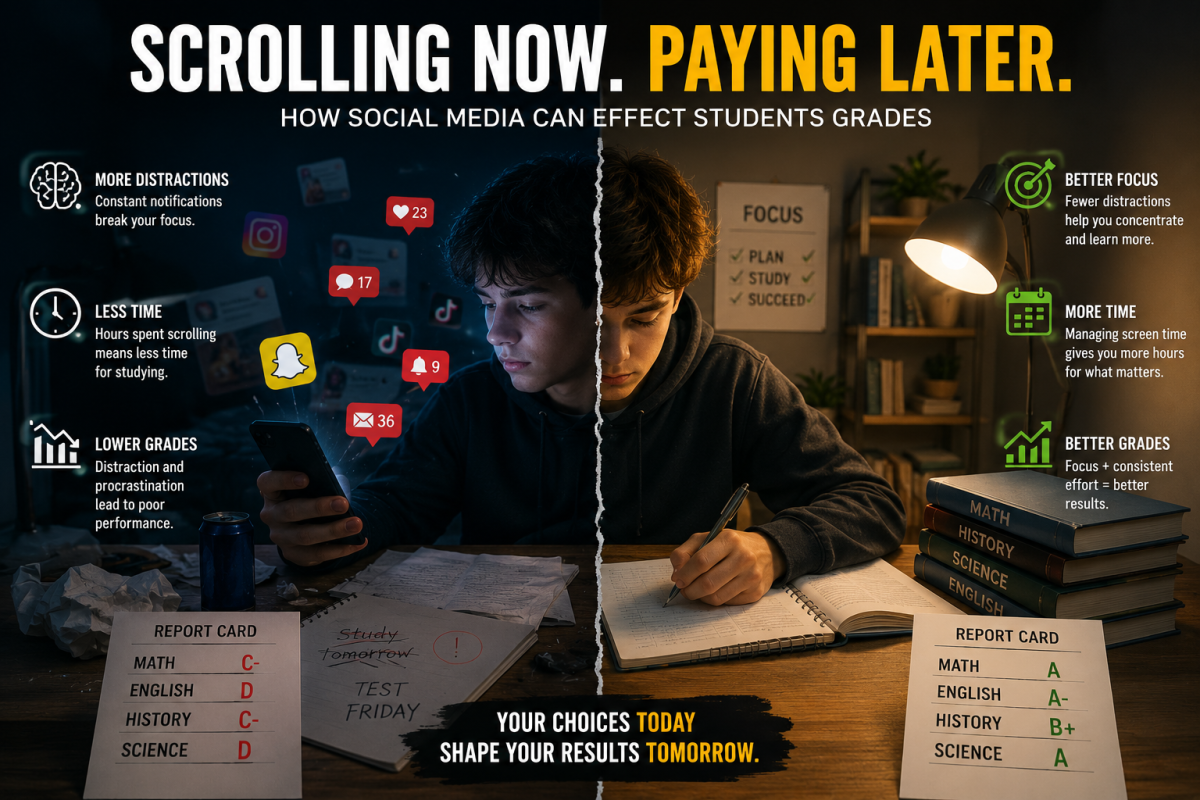
For everyday stress, sadness, or even boredom, playlists offer an easy and positive outlet. Unlike scrolling through social media, which can often trigger anxiety and insecurities, music often has the opposite effect. It gives teens a healthy way to process emotions while still being enjoyable.