





































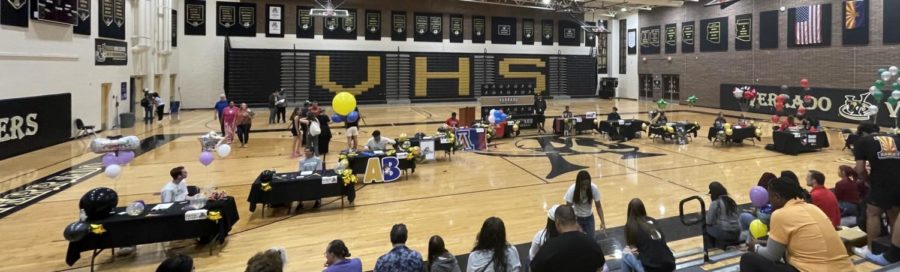



















For many high school students, the question What’s next? can feel overwhelming. College, trade school, or work? There’s no shortage of options. But on Tuesday, Verrado’s seniors were introduced to another path that often gets overlooked: the military.
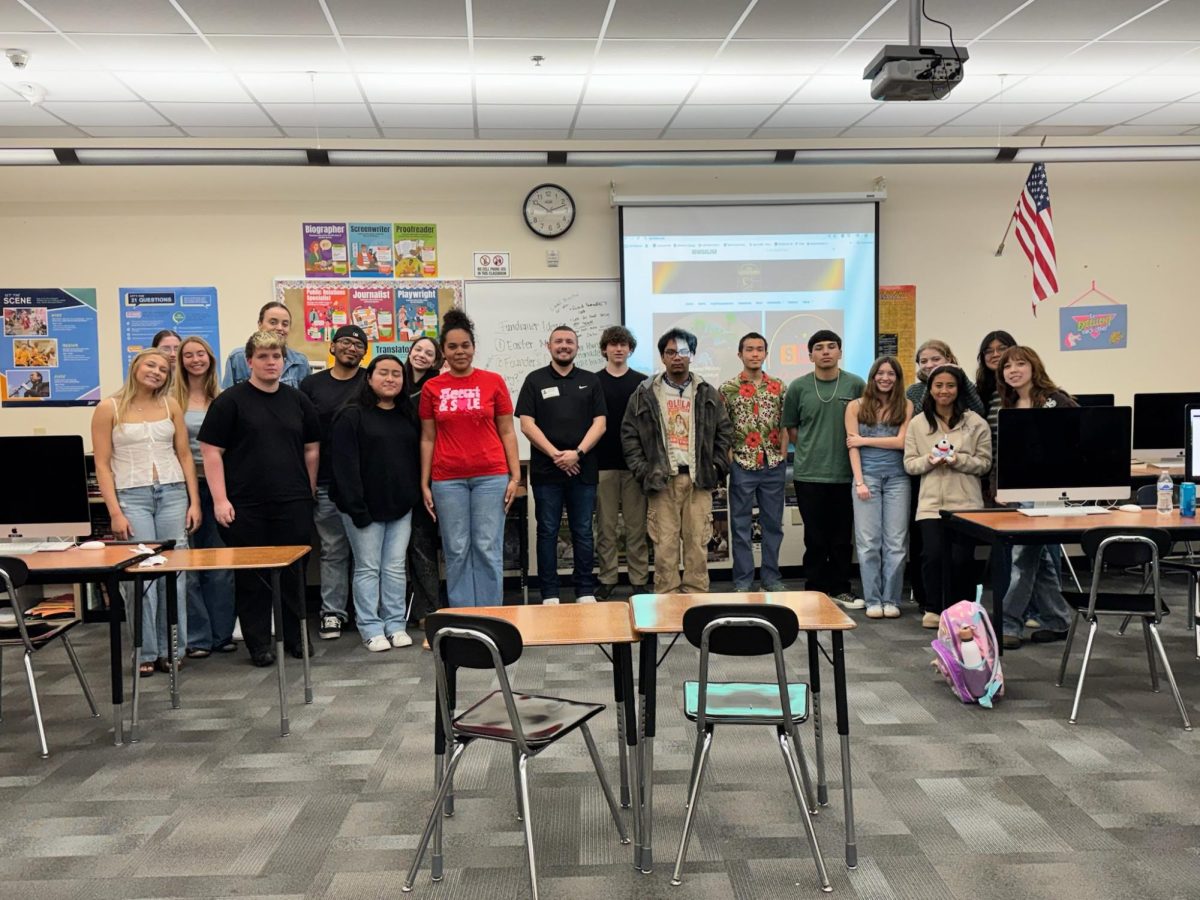
During RTI at Verrado High School on January 9th, Officer Valenzuela and Officer Bruin visited the campus to explain how students can get involved in the military, the benefits it offers, and the wide range of career opportunities available across different branches. From the start, both officers emphasized one key message: the military isn’t just for one type of person. “There’s a place for everyone, no matter their interests or future goals,” Valenzuela said.
Officer Valenzuela focused on the benefits that come with military service, “including full healthcare coverage, steady pay, and opportunities to travel the world at no cost.” He explained how these benefits can provide financial stability right after high school, something many students worry about as graduation approaches. Officer Bruin broke down the different branches, programs, and job options available. He showed students that the military includes careers in technology, engineering, healthcare, aviation, and more, not just combat roles.
Beyond pay and travel, the officers highlighted the life skills students can gain. Bruin explained that “training, teamwork, and leadership development were major topics” for military service.
Both of the recruiters explained how “these skills help prepare students for real-world careers”, whether they stay in the military long-term or transition to civilian jobs later. The Navy, in particular, was highlighted for its financial stability, offering steady monthly pay, full healthcare at no extra cost, and regular raises over time.
Students also learned about the chance to travel and be deployed to other countries, experiencing places many people never get to see. Navy recruiters emphasized that military programs offer structure, support, and long-term career growth opportunities after graduation. Bruin said the goal is “helping students better understand realistic options beyond high school.”
The Navy offers two main ways to serve. One option is a full-time commitment, typically lasting eight years, which comes with strong benefits and low healthcare costs. Another option allows for part-time service, requiring only two weeks per year, sometimes with opportunities to bring family members along. Recruiting itself is treated as an assignment, giving service members hands-on experience and career flexibility while serving their country.
By the end of the presentation, students had a clearer picture of how the military, especially the Navy, can be a practical, rewarding, and exciting option after high school.