


















































When you’re watching a film, what do you think about? The acting? The cinematography? Maybe even the soundtrack? Well, the one thing you definitely aren’t thinking about is the real world because after all, the whole point of movies is to entertain and escape that type of stuff, well what if you were told that the whole time you were actually just watching a reflection of the real world on your screen.
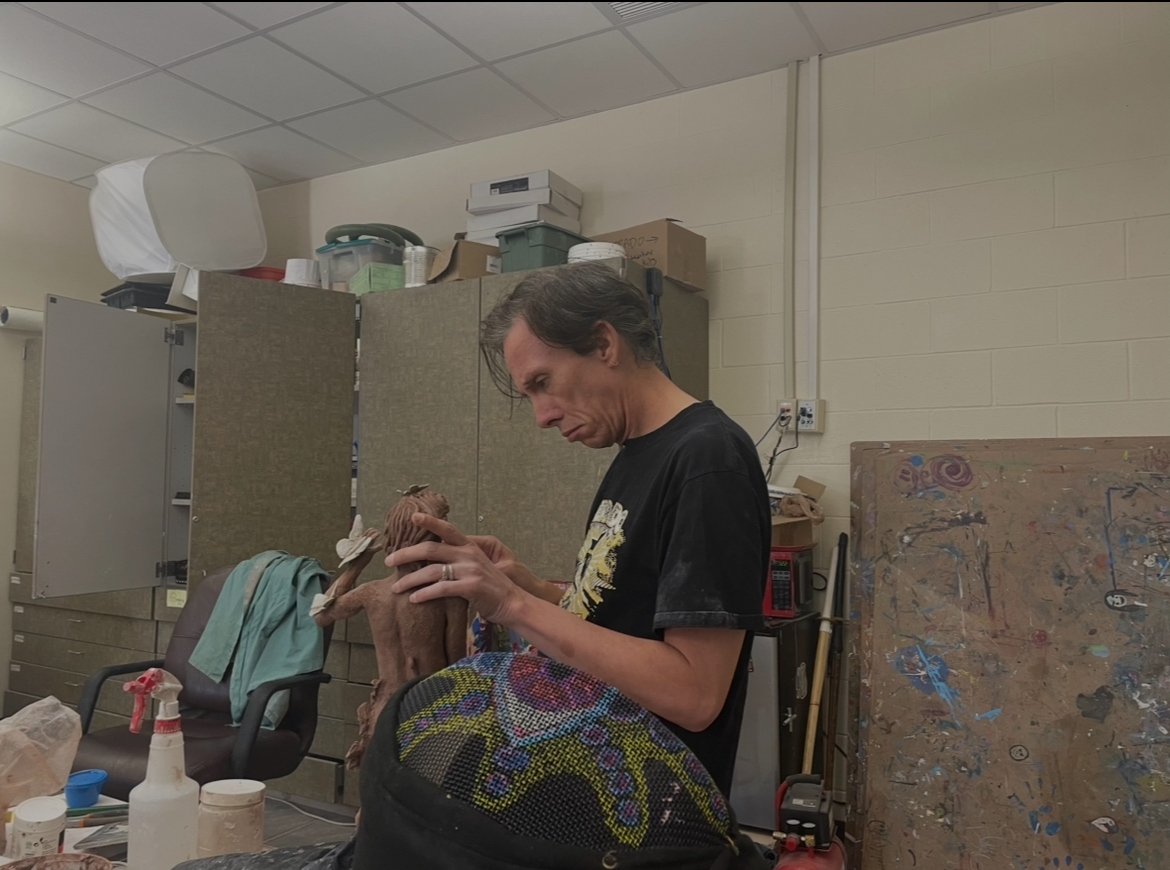
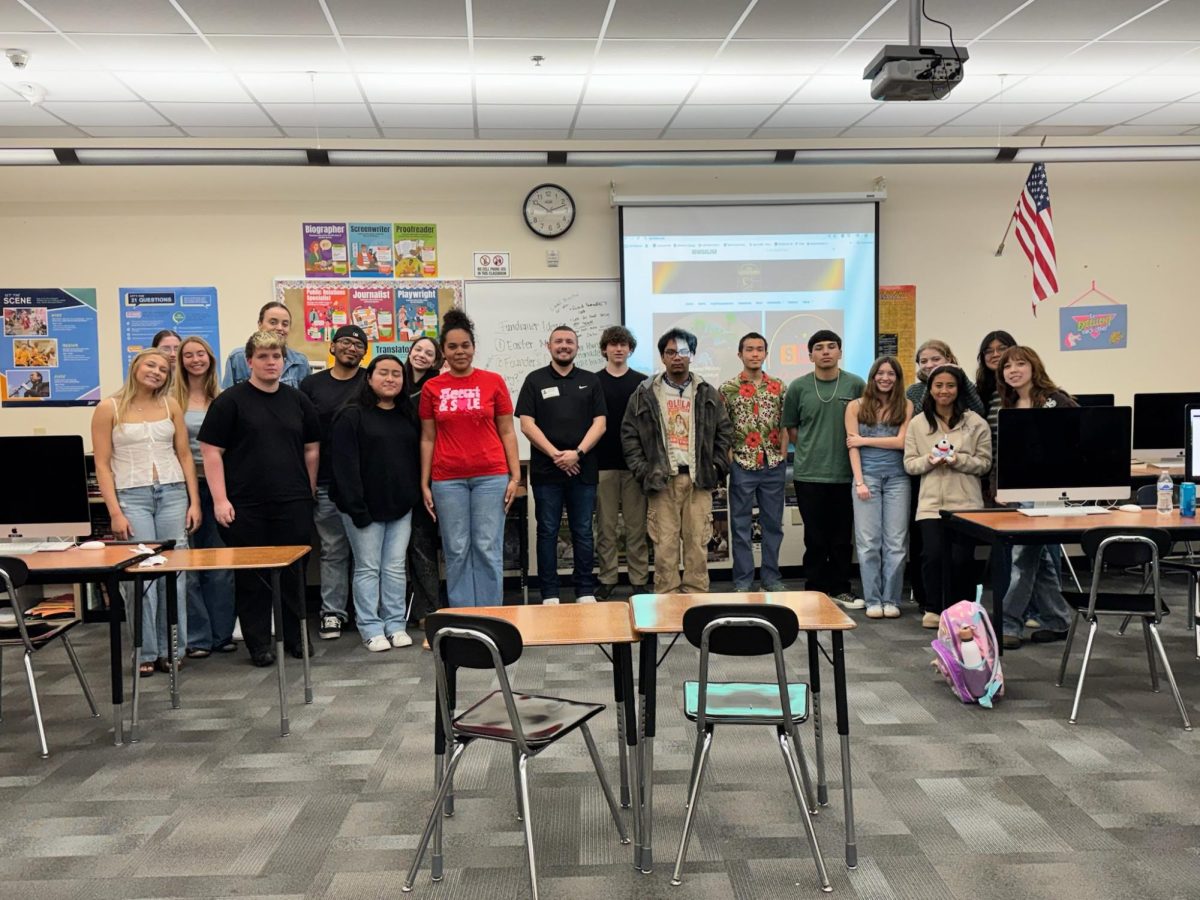
Mrs. Elyse Spiegel, a teacher of Film & Digital Media at Verrado High School, says that “Most films are made with the purpose of telling something about human nature and how our society interacts… usually social commentary” and because of their nature as a medium they naturally reflect their society. They can comment on issues, like economic issues, social dynamics and environmental issues.
An example Spiegel gives is Wall-E, she says it comments on “our lack of desire to improve our environment… consumerism… To the point of where we are kinda gluttonous”. Wall-E released in 2008 and at the time environmental issues, particularly on climate change, were at the forefront. WALL-E puts a spotlight on those issues, giving environmental preservation a large role in the movie.
Another example of films reflecting their society is the fall of the Western genre. In a paper by Zirong Lu, he states that the fall of the western genre started as America became more urbanized and the people’s connection to that period in time started to wane; the audience found it harder to connect and relate with the western setting.
In the same paper by Zirong Lu, it states that films can capture the thoughts and attitudes of the time; inversely, films also have the power to influence society by encouraging dialogue and sparking debates on societal issues
For example, the movie The Inconvenient Truth, a movie by former presidential candidate Al Gore, helped the movement on climate change by increasing awareness, leading to increased discussion and activism. The surge in interest due to the movie made organizations address global warming, as well as leading an effort to develop alternative energy.
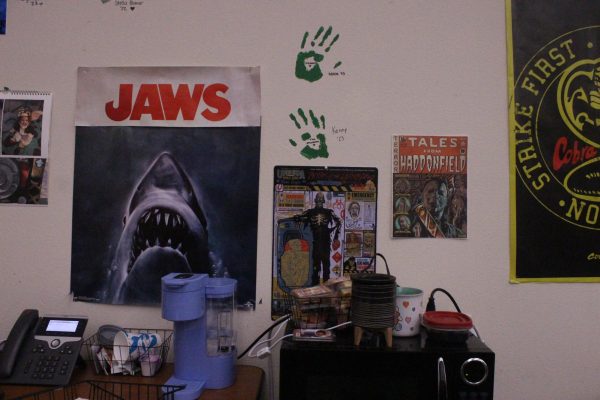
Films play a major role in both capturing their time and affecting the world in which they were made. Mrs. Spiegel puts it best when she says, “Films are an art form, there’s just really something to be appreciated.” They deserve to be heard, especially when so much effort is put into them, and so many people dedicate their lives to this craft. Films will always have something to say, and it would be better to pay attention to it rather than ignore it in bliss.