





















































In today’s media landscape, it has become increasingly difficult to discern whether something is real or fake. Thanks to the internet, billions of people have the ability to say whatever they want whenever they want to the world, which has contributed to mass spreadings of misinformation in the 21st century. Luckily, there are numerous ways to combat this, and ensure the information you receive is nothing but the truth.
One very helpful piece of advice is to stay away from biased news networks in general. Sources such as Fox News and CNN have been criticized for biased reporting in the past, which can lead to the consumption of false information. Instead, try to strictly get your news from unbiased sources. The AP News app is a great source for news at any level; whether it’s political news, entertainment news, or even sports news.
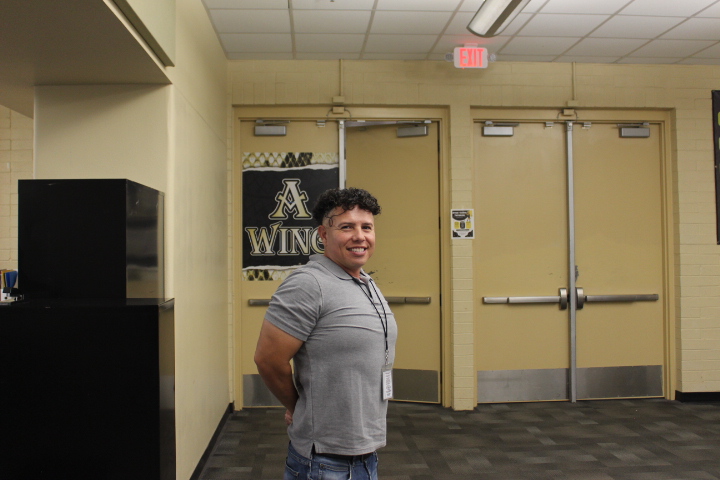
Another easy way to avoid false information is by simply not getting your news from platforms such as Instagram, TikTok, and Facebook. Erin Eisen, an AP Government teacher here at Verrado, has her own methods for avoiding fake news that can also be beneficial to students. She said, “The best way to avoid fake news is by not going to social media for news. Posters are very good at making their posts look legitimate, but if you do a simple Google search, there is no verification.”
These platforms are notorious for spreading fake news, and it has only worsened thanks to the introduction of AI to the general public. We all have that one parent or relative that believes the AI generated video on Facebook is true, and reacts with outrage. Don’t be that person. Distinguish your usage of social media from where you get your news, it should just be for entertainment and connecting with friends and family.
Another way students can avoid fake news is by reporting posts they see on social media that spread misinformation. Not only does this prevent you from seeing content from this poster again, but it also brings it to the attention of admins of the platform. With some luck, this could lead to that creator getting their account suspended or even banned.
“Social media brings about quick reactions. We like, comment, whatever we see, and move on. We don't think about what we are watching or reading about,” says Eisen. By fixing this quick reaction into reporting accounts spreading misinformation, this could lead to better development of critical thinking skills, which is vital for young people.
Gabby Mowry, a senior here at Verrado, finds fake news hard to avoid. “You just constantly have a stream of information pushed in your face, especially on social media. Reactions are so quick, it’s hard to discern what’s real, fake, or exaggerated.”
It can be hard to swim upstream when faced with forceful waves of fake news. And because people are quick to react to news instead of doing their research, it only makes sense that the misinformation becomes more believable, especially in the eyes of young people.
When asked how she tries to avoid fake news, Mowry said, “When I see something major, I always try to fact check it before taking it as the truth. Usually, a quick Google search does the trick.”
It’s vital that teenagers think critically about what’s being shown to them, especially when it’s about current events. Younger generations are the future of the country, and a misinformed populace is a recipe for disaster. We need informed voters, and with these different strategies for avoiding and discerning fake news, we can have hope that the next generation will be such.