

















































Many students enjoy spending time with their friends outside of school, whether it’s simply working on homework or hanging out and playing games – but what happens when there are no places to hangout besides their own homes?
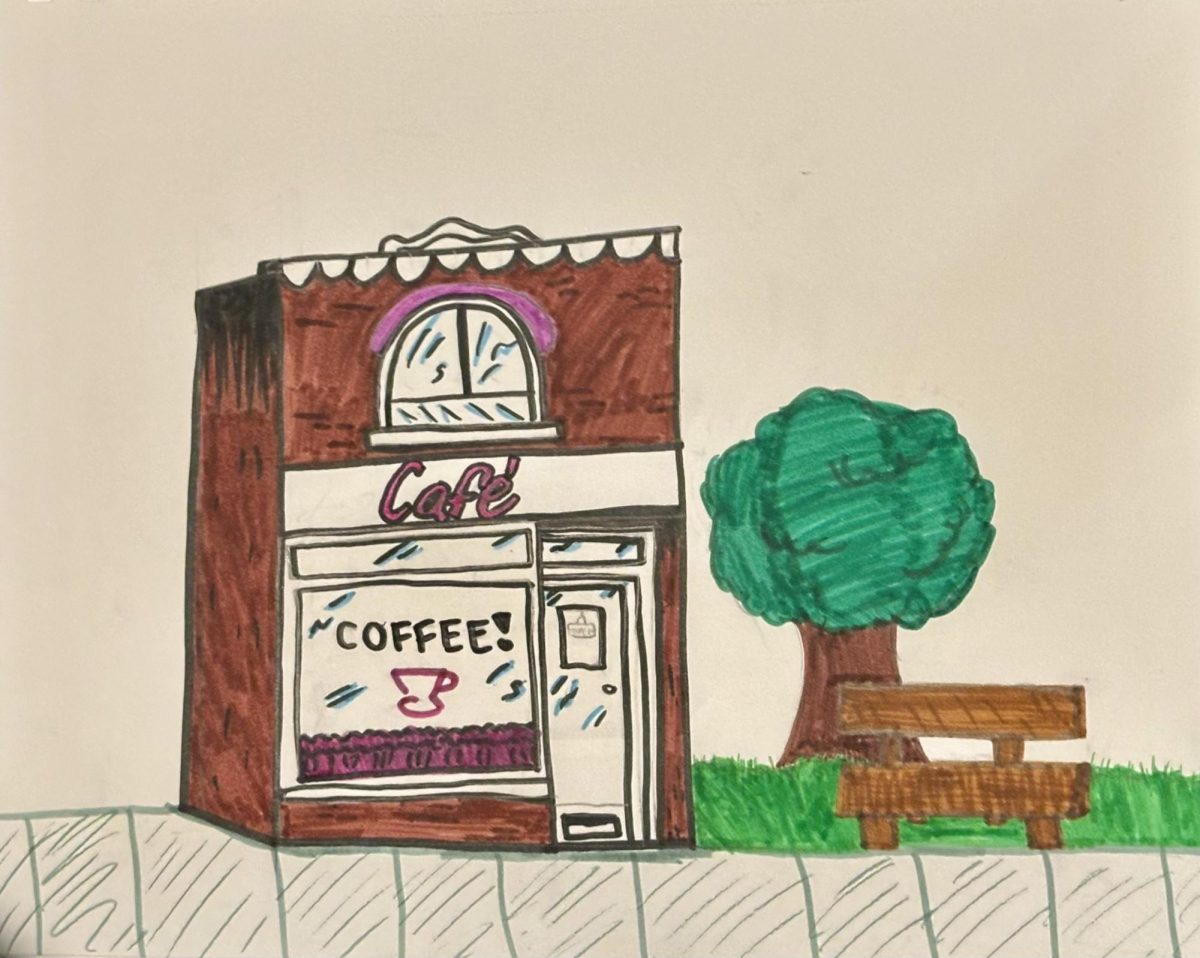
Third places are places that are separate from home and workplaces. Some common examples are cafes, libraries, gyms, bookstores, parks, theaters and churches. While this list may give the impression that there are many options, the sad reality is that third places are in an extreme shortage, and students are running out of places to go and enjoy themselves.
These environments are important for many reasons. They provide a sense of community and connection which also vastly improves mental health and the overall well being of students and people in general.
Despite these benefits, third places are facing a great threat, especially after the events of COVID-19 and the isolation that came with this period of time. Prior to COVID-19, people spent a lot more time together as a community and outside of their homes in general.
Now, about 5 years later, people are still very isolated. It is much more common now for people to work remotely from their homes or even attend school online. Urban planning is also a large reason for the decline in third places.
Urban planning has negative impacts on third places through things such as zoning laws, the “suburban sprawl”, and overall car-centric infrastructure.
The “suburban sprawl” is known as the unrestricted expansion of cities into rural areas. This is driven by the rise in population and highway development, however it causes environmental damage, social isolation, and mass infrastructure costs.
When cities become too occupied with things like building more and more houses, the importance placed on third places slowly lowers, until it inevitably becomes nonexistent.
After surveying 26 juniors at Verrado High School, between the ages of sixteen through eighteen, it was a clean split between students who have their drivers license and those who don’t. One question the students were asked was “How often would you say you hangout at one of the following places, whether it be alone or with company?: Library, local park, cafe, or gym.”
46.2% of the students answered “Very often – more than two or three times a month”, 11.5% of students answered “Somewhat often – around once a month”, and 42.3% of students answered “Not often – less than once a month”.
Another question the students were asked was “When you hangout with friends, where do you usually recommend you guys go?” Ten students answered “eating somewhere”, nine students said “shopping”, six said “somebody’s house”, three said “the park”, two said “swimming”, two said “the gym”, and six said “other/don’t go out”.
The final question of the survey asked students, “Do you feel like there are enough third places in your community?” 69.2% of the students said “No, I believe we need more” and 30.8% said “Yes, I believe there are enough”.
These responses give a clear picture of the opinion of teens in this current age. It is explicitly clear that a large majority of teens believe that there is a lack of third places in their community, and a change is gravely needed.
It also seems clear that a large reason why those six students don’t go out could be the fact that there is a lack of places to do so. If third places were more common, students would feel comfortable trying to go out more often.
Third places should be treated with much more importance and it is up to those in roles of authority to improve the circumstances that currently plague communities.