
































































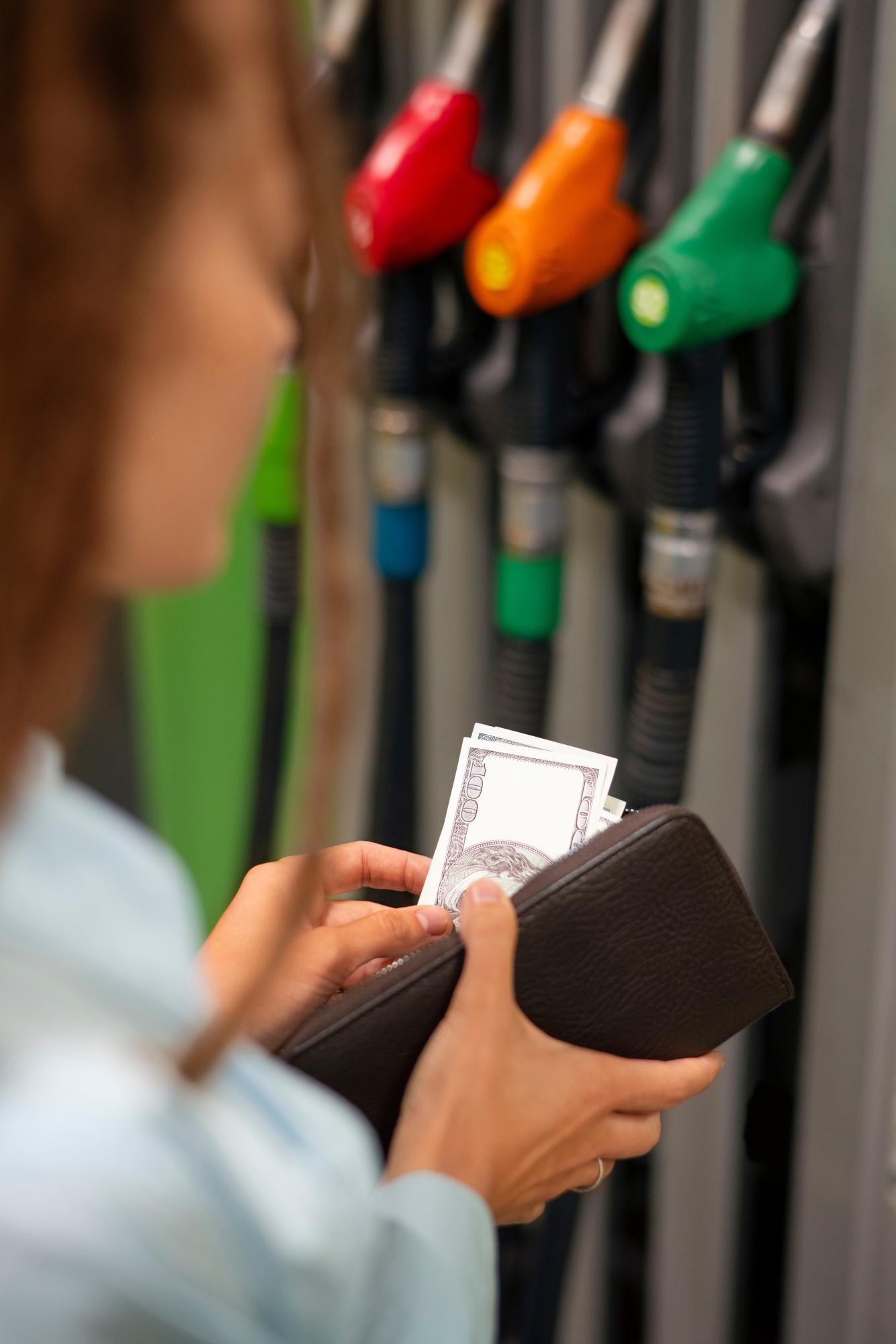
Increased oil prices are caused by the conflict in Iran, with Arizona being the hardest hit. Arizona gets 60% of its gas from California, the other 45% comes from Texas or New Mexico. The farther something is the more expensive to import; with high demand in Arizona the gas prices are predicted to continue rising. In 2029 plans to put in a new pipeline Western Gateway is said to reverse the flow of some lines leading to a significant increase in the amount of fuel. Till then, what are the solutions? Current president Trump said “it could be, it could be the same. It could be a little bit higher” by midterms in November.
The average pay for teenagers in Arizona is $15.91 an hour, but can range from $8.51 to $29.12. Since teenagers don’t pay bills, the rise in gas prices shouldn’t affect them, but to assume that teenagers who work don’t pay for fuel themselves is an understatement. Abigail Penney, a student at Verrado, gets paid $15.15 at her part time job. She explains that she doesn’t pay for everything but most things come out of her pocket. “I don’t pay for my car insurance but everything less comes out of my pocket”. Penney fills her 18-gallon gas tank every other week; she says it takes about $98-$100 a week. “Before I had around $200 to spend on whatever, now I do around $150 if I don’t put away anything to save”.
Another Verrado student, Harrison Powell, gets paid $700 biweekly. Every eight days he fills up his tank with $80, he said “When it comes to your spending, you get to spend less on whatever you buy”. The rise in gas prices are affecting students’ budgeting and although teenagers aren’t spending their money on bills, it’s still unfair to live in an economy where teenagers have to stress on things such as gas.
The National Education Association ranks Arizona 21st with a starting salary of $44,124 for our teachers. Our creative writing and journalism teacher, Kristi Studts, says she recently just paid $80 for a half of a tank. It’s around $100 to fill up her car which is only 20 gallons. Studts says she notices the difference and “I mean, we have no choice”. She’s referring to the fact that we have to pay these prices, especially in Arizona where walking really isn’t a choice.
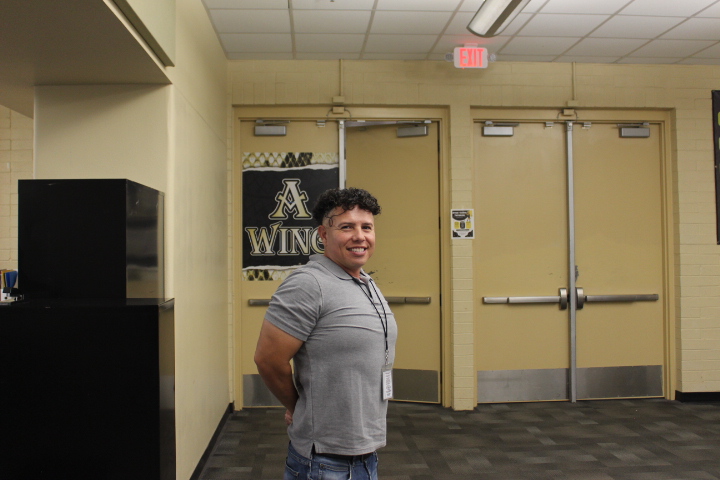
In the summers it can reach up to 120 degrees; in early March we broke another heat record of 112 degrees. Sebastian Avila, a World/American history teacher at Verrado high school, says he spends $115 on a full tank. Avila said “It’s difficult for me to do the things I like, this is why I work a lot, I use that money to spend it on travel.” The rising cost is significantly impacting teachers budgets, highlighting the need for solutions.
The rise in gas prices, according to Institutions on Taxation and Economic policy (ITEP), have affected 70% Americans directly and 55% Americans have reported that the rise in gas prices has impacted their overall finances.
As early as April 2026, Phoenix’s average gas price is $4.95 per gallon, $1.30 more than the price from last year. Ultimately, the struggle to afford essential expenses like fuel, caused by global conflicts shows the broader economic challenges faced by our equator and communities. The prices of gas aren’t going down and will continue to affect people till there is a solution.