





































































Every two minutes, a woman in the U.S. receives a breast cancer diagnosis. This shocking truth demonstrates the widespread nature of the illness and highlights the importance of awareness and action. Breast cancer has impacted countless lives and has influenced public health, research priorities, and cultural discussions in the United States. October’s Breast Cancer Awareness Month serves as a key emphasis on education, prevention, and assistance.
Timely identification is one of the most effective methods to combat breast cancer. Mammography and genetic testing for BRCA1 and BRCA2 mutations enable physicians to recognize individuals at high risk and find tumors at earlier, more manageable stages. Awareness initiatives in Breast Cancer Awareness Month highlight the significance of routine screenings, motivating women to pursue preventive measures and obtain care swiftly.
Medical research in the U.S. has progressed markedly due to support, funding, and advocacy efforts. Initiatives backed by the National Cancer Act of 1971 and nonprofit organizations have advanced therapies like chemotherapy, radiation therapy, targeted therapies, immunotherapy, and hormone treatments. Scientists persist in investigating personalized medicine methods that customize treatment based on individual genetic and medical characteristics, enhancing results while reducing adverse effects. Awareness initiatives ensure that these advancements reach the communities that require them the most.
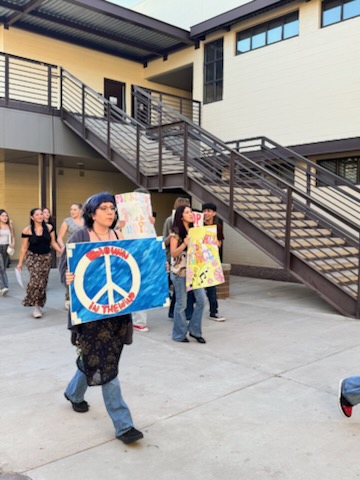
Breast Cancer Awareness Month has transformed societal views regarding the illness. The pink ribbon has turned into an international emblem of hope and strength. Walks, fundraising events, and community activities throughout the U.S. generate millions of dollars each year to fund research, patient support, and survivor initiatives. These initiatives diminish stigma, promote open dialogue regarding women’s health, and empower patients and families impacted by breast cancer.
The illness has impacted social policies and workplace practices, too. Numerous organizations offer assistance programs, flexible time off, and resources for employees receiving treatment. Insurance plans, government programs, and nonprofit efforts collaborate to guarantee patients obtain the necessary care. Awareness Month enhances these initiatives, highlighting to communities the continuous significance of assistance, education, and funding.
Breast cancer persists in influencing American healthcare, research, and cultural aspects. During Breast Cancer Awareness Month, advancements in treatments and community involvement have led to significant progress in diminishing its effects in the U.S. The illness highlights the importance of early identification, advocacy, and collective national backing. Its impact extends past single patients, motivating communities, promoting science, and preserving lives.