
































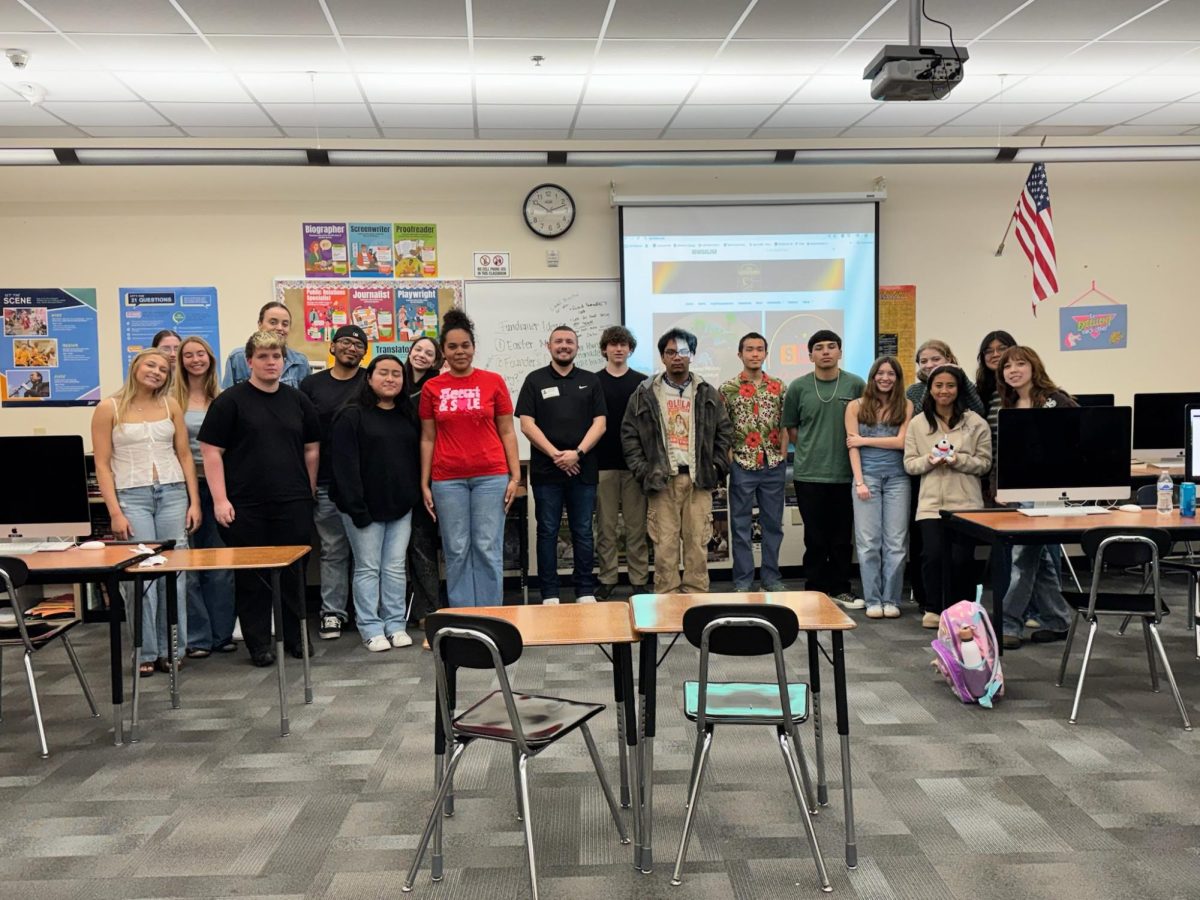




Inside a senior English class at Verrado High School, a discussion is taking place, but it’s not about grades or homework. Students fervently debate a deeper philosophical inquiry: who is the real monster in Frankenstein?
Is it Victor Frankenstein, the society that spurned his creation, or the Creature itself? For Mrs. Rachel Diehl’s class, Mary Shelley’s 19th-century novel has transformed into more than just a required reading task; it serves as a reflection of modern issues regarding science, accountability, and empathy.
Mary Shelley’s Frankenstein, initially released in 1818, is frequently seen as a foundational piece of secondary school literature. In Mrs. Diehl’s classroom at Verrado, the book is an active text. In debates, imaginative projects, and structured discussions, students engage with themes of identity, solitude, and ethical responsibility, topics that echo well beyond the 19th century.
In an era of swift scientific and technological progress, ranging from AI to genetic engineering, Shelley’s warning story seems oddly relevant.
“Frankenstein sticks around because the questions it asks still matter,” Diehl stated. “It’s really about responsibility, identity, and what happens when people push limits without thinking about the consequences.”
Her instructional method highlights that these inquiries are eternal. A notably animated classroom moment arises during debates on who is most at fault in the narrative. “We don’t tell them the answer; we hope to facilitate discussion and let them argue it out using evidence,” Mrs. Diehl said.
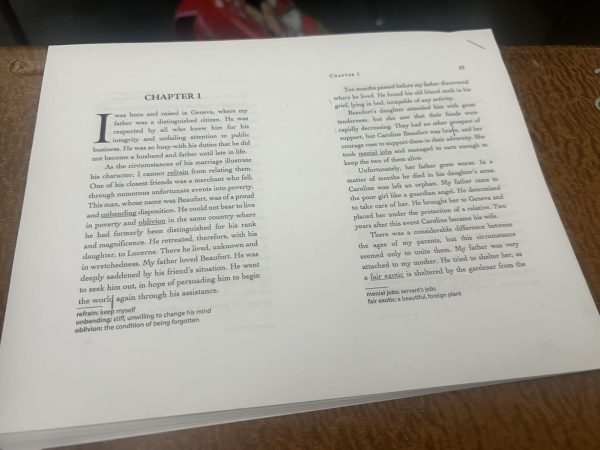
Certain students claim Victor is to blame for forsaking his creation, others highlight a society that shuns the Creature, while some assign responsibility for its violent behaviors to the Creature itself.
Learners frequently connect strongly with the subjects of loneliness and rejection. Adolescence might seem isolating, and numerous individuals identify with the Creature’s desire for belonging. “Students can connect to feelings of rejection and isolation,” Mrs. Diehl noted.
However, understanding historical context, like Romanticism, early scientific apprehensions, and societal concerns regarding progress, can be more challenging. To assist, she splits the reading into manageable parts, promotes conversation, and advocates for revisiting difficult sections.
“Once students stop worrying about understanding every single word and focus on meaning, it gets easier,” she said.
By linking the text to contemporary ethical challenges, Mrs. Diehl highlights similarities to topics her students are already interested in. “We like to talk about things like AI, genetic engineering, and what happens when technology moves faster than ethics,” she shared. Classroom techniques range from debates and mock trials to imaginative retellings of the narrative, enabling students to participate actively instead of reading passively.
“An important goal is to help students realize they can handle challenging texts, but also get them to think ethically, about choices, responsibility, and empathy,” she added. By merging the past with the present, learners realize that Shelley’s novel transcends being solely about a creature; it delves into the repercussions of human deeds.
When the bell sounds, and students exit the classroom, the conversation continues. Even if they overlook the details of the storyline, Mrs. Diehl wishes the broader lessons endure: “We aspire for them to recall that actions lead to outcomes and that compassion is important. Knowledge without responsibility can be dangerous, and at times, the true monster is formed by human decisions.”
Esteban Holguin • Feb 17, 2026 at 7:55 AM
Great article, Kacey. Frankenstein is one of my favorite books. It is good to see that people are still reading this book and tying it to today’s problems with identity.